OUR IMPACT

Our Course Completion

Through the training and support programs offered, a higher proportion of Indigenous secondary students are now considering tertiary educational pathways and careers within the local healthcare industry. Seed’s work has also encouraged universities and health industry partners to renew their commitments to providing students with medium to long-term career prospects.


Effect by our Seed Model creates a supportive, culturally safe, and goal-oriented learning environment. When students feel understood, supported, and see the relevance of their education to real-life opportunities, their likelihood of completing courses increases significantly.

Seeds Model

 Our model recognises that there are major gaps for students in key transition phases from secondary education to training, tertiary education and employment.For Aboriginal and Torres Strait Islander secondary students, these gaps in support have been detrimental to their ability to reach their potential. 


Our model provides ongoing, holistic, wraparound support for students from school to university and training, and ultimately employment in the Health and Community Services industries.


Quality Education & Health Literacy

Quality education and health literacy at Seed mean providing culturally relevant, practical learning that equips First Nations students with the skills and knowledge to succeed in health and social service careers, while empowering them and their communities to understand, manage, and make informed decisions about health and wellbeing.

Community Engagement & Co-design

Seed works hand-in-hand with communities to ensure programs are culturally safe, relevant, and effective. Through active engagement and co-design, students, Elders, families, and local organisations contribute to shaping learning experiences, health initiatives, and career pathways. This collaborative approach ensures that Seed’s programs reflect community needs, empower local voices, and create sustainable, meaningful outcomes.

Youth mentoring & Career Guidance

Seed provides culturally safe mentoring and career guidance to support First Nations students in exploring health and social service pathways. Through one-on-one mentoring, group workshops, and exposure to real-world opportunities, students gain the confidence, skills, and networks needed to pursue further education, training, and meaningful careers in their communities.

Further Training & Career Pathways

Seed supports students in progressing from foundational learning to higher education, vocational training, and career opportunities in health and social services. By providing guidance, industry connections, and practical experience, Seed helps students navigate their pathways and build sustainable, long-term careers within their communities.
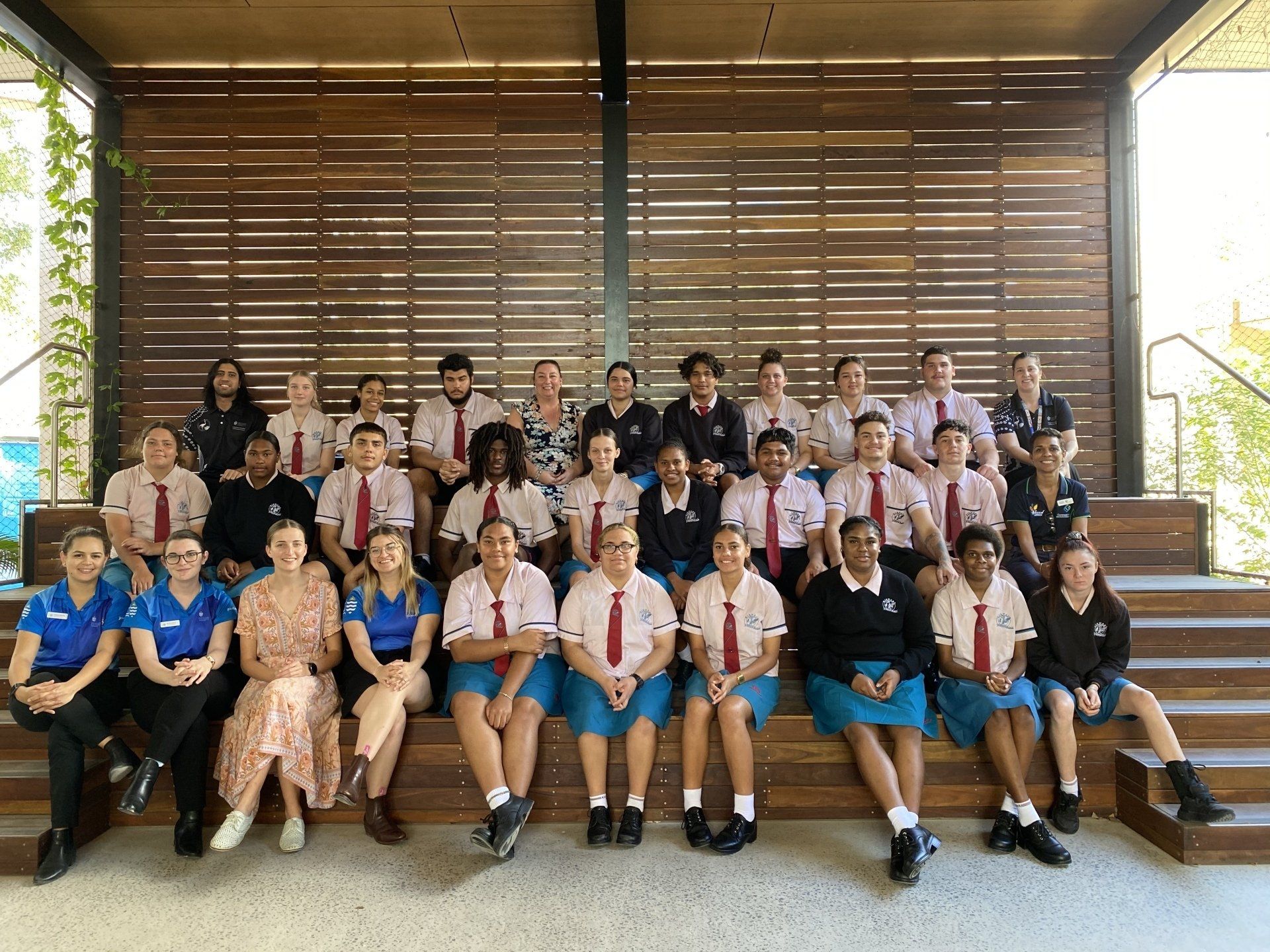
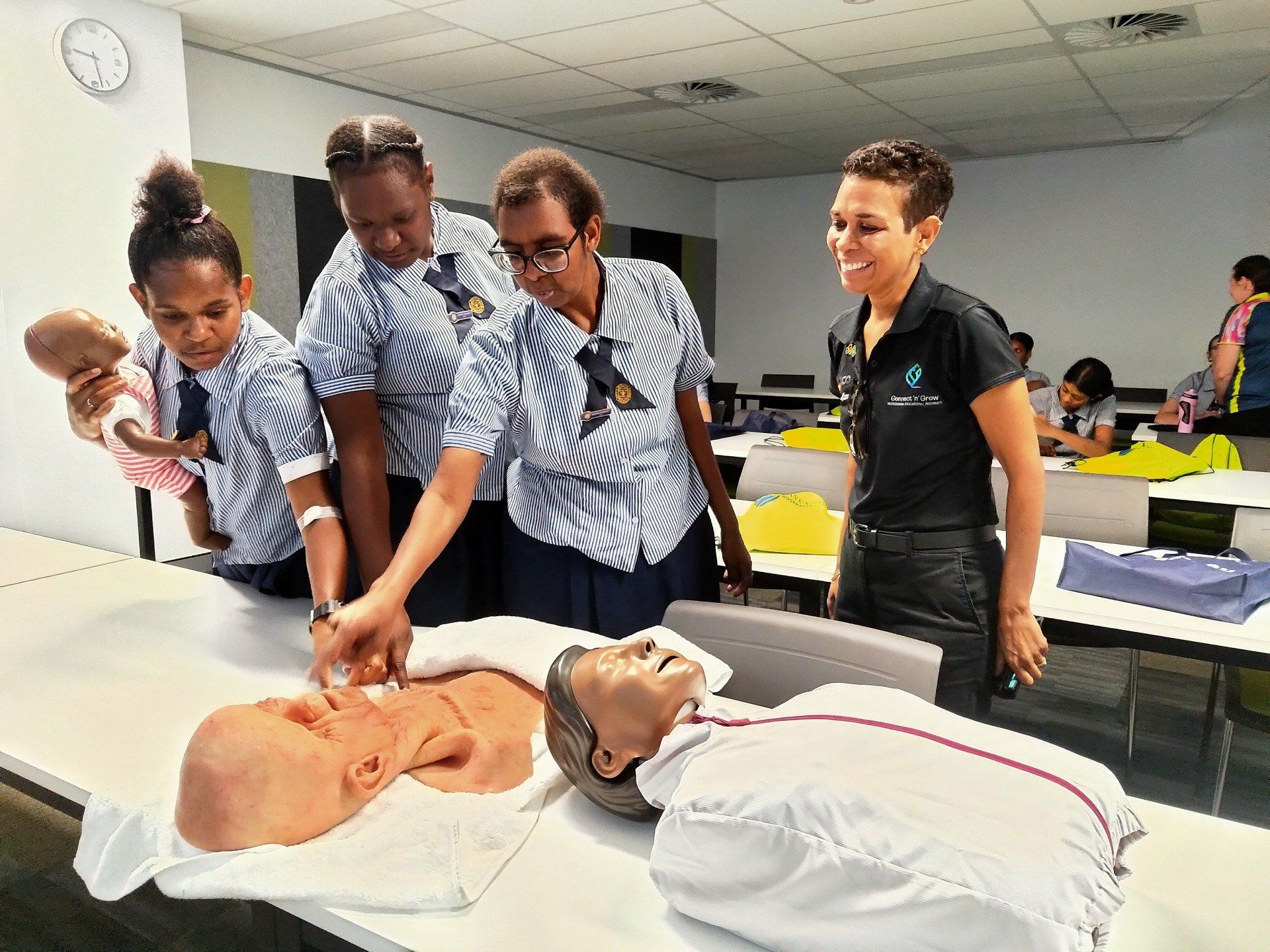
Our First Peoples Health Program will...

Offer opportunities for students to engage with a university, training and employment pathway.


Increase the Indigenous health workforce.


Provide students with health literacy that can be taken back to their home communities.


Health

Aboriginal and Torres Strait Islander communities experience:


Fewer opportunities to participate in the health workforce. Aboriginal and Torres Strait Islanders constitute 2.8% of Australiaís population, however only 1.8% of Australiaís health workforce is made up of Indigenous workers. This 1.8% includes cleaners, food preparation staff, maintenance workers, as well as trained health professionals. 


Mortality rates almost twice as high as that of the rest of Australia, and five times as high for those aged between 35-44.


Poorer health, suffer from more chronic diseases, and subsequently have a shorter life expectancy than non-Indigenous populations in Australia.


Education

Poorer educational outcomes than any other group living in Australia. 


Student attendance rates (per cent) Year 1 to 10 combined, by Indigenous status and remoteness, Semester 1, 2015-6:


Remote areas:

Non-Indigenous (91.9%); Indigenous (78.6%)


Very remote areas:

Non-Indigenous (91.5%); Indigenous (67.4%) 


In 2014/15, just over one in five (21%) Aboriginal and Torres Strait Islander people aged 15 years and over were enrolled in formal study, including 15% who were studying full-time. 


Females were more likely than males to be studying (23% compared with 19%), and people in non-remote areas were twice as likely as those in remote areas to be studying (24% compared with 12%).


Aboriginal and Torres Strait Islander student attendance rates for 2015 were lower than for non-Indigenous students for all year levels. Indigenous and non-Indigenous attendance rates both fall at higher year levels, however the decline for Indigenous students is more rapid. As a result, the attendance gap increases at higher year levels. 


Indigenous and non-Indigenous Australians with low educational attainment tend to have poorer health outcomes, lower incomes and reduced employment prospects.


Non-Indigenous students are four times more likely than Aboriginal and Torres Strait Islander students to have a Bachelor Degree or higher qualification, 21% compared to 5%.


NAPLAN results for Aboriginal and Torres Strait Islander students vary sharply by remoteness. For example, in 2015, 82% of all Indigenous students in metropolitan areas met or exceeded the National Minimum Standards (NMS) for Year 5 reading compared to only 38 per cent of students in very remote areas.


In 2015, Indigenous Year 5 students in metropolitan areas were, on average, twice as likely to meet national minimum standards in reading as Indigenous students in very remote areas.


Only 23% of Aboriginal & Torres Strait Islander youth aged between 15-19 years are estimated to have completed Year 12 and/or gained a Certificate II or higher qualification compared to 86% of the Australian population as a whole.


A recent study has also shown that Indigenous boys have a lower level of school attendance than Indigenous girls and this difference between boys and girls is larger for Indigenous students than for non-Indigenous students.